

First impressions happen online long before the first backsplash tile is set. Bridging that digital-to-doorway gap, Home Improvement Marketing strategies win a homeowner’s trust before a single hammer swings.
Know Who’s Remodeling—and Why
Spending on renovations topped six hundred billion dollars last year, and the appetite spans generations. Gen X leads the spend, but Millennials push hard for energy-efficient upgrades while Boomers focus on aging-in-place. Understanding each group’s motive—remote-work comfort, resale value, or accessibility—shapes every message you craft.
Action step: Build three to five audience profiles. For each one, list their top worry (“Will this pay off at resale?”) and top hope (“A spa-like bathroom that feels like vacation every day”). Use those insights to guide headlines, visuals, and offers.
Build a Findable Digital Foundation
1. Treat Your Website Like a Showroom
Nearly two-thirds of homeowners start contractor research on search engines, not at the local home show. If your site loads slowly, hides contact details, or buries service areas, prospects bounce in seconds. Prioritize:
-
Mobile-first design. Over half of searches happen on phones.
-
Service-area pages. Optimize for “kitchen remodeler in [city]” style queries to capture local intent.
-
Clear calls-to-action. Quote forms, click-to-call buttons, and financing calculators turn browsers into leads.
2. Local SEO & Business Listings
Claim and polish your Google Business Profile. Add project photos, answer FAQs, and post weekly updates to stay relevant. Consistent NAP (name, address, phone) information across local directories still moves the needle for Marketing for Remodeling campaigns.
3. Reviews and Structured Data
Use schema markup (Project, Offer, Rating) so search engines can show star ratings and range estimates right in results. Trigger an automated email or text asking for feedback the moment a walk-through wraps up. Fresh five-star reviews raise click-through rates and lower ad spend.
Publish Content That Answers Real Questions
Blog posts titled “How Much Does a Basement Remodel Cost in Phoenix?” outperform generic design galleries because they solve a tangible problem. A project-recap video or 360-degree virtual tour can live on social channels and embed on your site—tripling reach without triple the effort.
Case snapshot: A Midwest renovation firm ran a weekly “Budget Breakdown” series. Organic traffic jumped forty-plus percent in six months, and cost-conscious leads spent more after seeing transparent pricing scenarios.
Pro Tips for Content Efficiency
-
Repurpose one finished-project video into a thirty-second Reel, a Pinterest pin, and a blog thumbnail.
-
Compress before-and-after images so pages still load in under two seconds—heavy files kill conversions.
Paid Media That Pays Off
1. Search Ads and Local Services Ads
Bid on intent-rich phrases like “bathroom remodel estimate near me.” Connect ad platforms to your CRM so keyword, ad copy, and landing-page data feed job-cost reports. When you can trace each dollar of ad spend to a signed contract, optimization becomes math, not guesswork.
2. Social Lead Forms
In-platform lead forms on Facebook and Instagram cut friction; pair them with fifteen-second time-lapse videos that spark emotion. Retarget visitors who viewed a gallery page but didn’t request a quote within seven days—ad costs drop, close rates rise.
3. Geofencing and Events
Set up geofences around home shows, hardware stores, or competitor job sites. Serve display ads offering free design consultations within seventy-two hours of a homeowner’s visit to those locations.
Proof Sells: Reviews, Referrals, and User-Generated Content
Ninety-one percent of homeowners say online reviews influence which contractor they hire, and over one-third call reviews very important to their decision. Make social proof a campaign, not an afterthought:
-
Launch a “Five-Photo Challenge” for recent clients—post their snapshots with a short story about the problem solved.
-
Offer a small thank-you gift for every referral that turns into a booked project.
-
Respond to every review, positive or negative, within twenty-four hours to demonstrate accountability.
Turn Happy Clients into Mini-Influencers
Ask homeowners to film a thirty-second walkthrough of their favorite upgrade (“soft-close cabinets changed my life”). Genuine excitement beats polished commercials and builds peer-level trust faster.
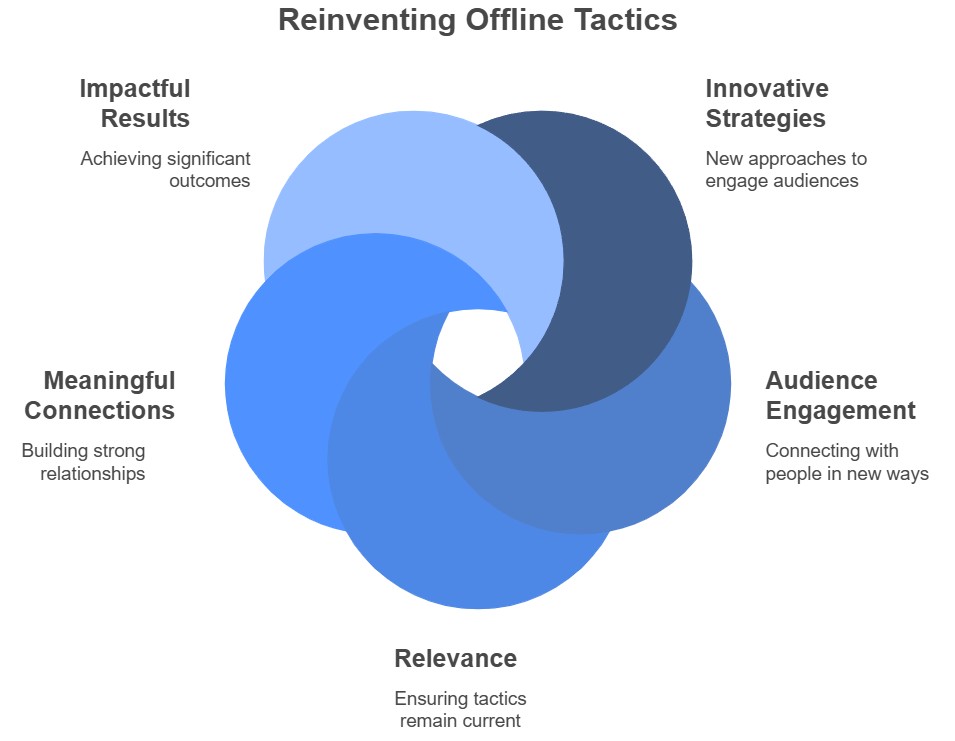
Offline Tactics Reinvented
-
Branded job-site signage with a QR code linking to a project gallery invites curious neighbors to explore your work without interrupting crews.
-
Door-hanger specials dropped on the three houses nearest every finished job leverage “keeping up with the Joneses” psychology and cost pennies per impression.
-
Wrapped vehicles showcasing dramatic before-and-after photos turn daily commutes into roving billboards, capturing tens of thousands of views each week in dense suburbs.
Measure What Matters—and Pivot Quickly
Ad clicks, form fills, and phone calls signal interest, but profit per project determines whether a channel scales. Feed marketing data into job-costing software to reveal:
-
Acquisition cost per signed contract.
-
Average revenue by source (organic, paid, referral).
-
Lifetime value of clients who tackle multiple renovations over three to five years.
Refresh dashboards every week. Pause underperforming ad sets, double down on winning keywords, and update any blog post slipping below page one.
Sustainable Growth Hinges on Trust
The home-improvement field brims with flashy trends—AI chatbots, voice search, augmented reality design tools. Smart marketers test new ideas but anchor their strategy in homeowners’ timeless needs: budget clarity, transparent reviews, and visual proof of craftsmanship. Nail those fundamentals, and your Home Remodeling Advertising efforts will turn digital clicks into swinging doors, buzzing saws, and delighted clients who keep coming back for that next big project.